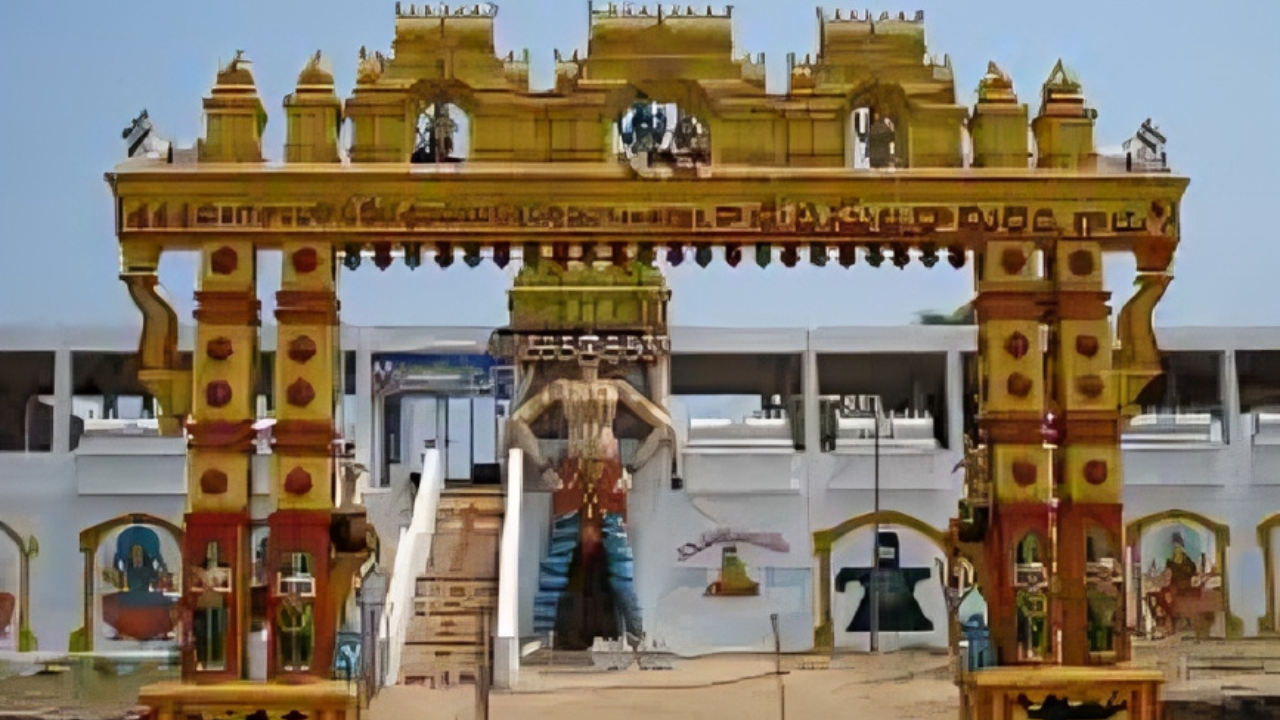
Why Sri Lanka Prays to Ravana: History, Belief, and Cultural Significance
Ravana is one of the most powerful and controversial figures in Hindu mythology. In India, he is mainly known as the villain of the epic Ramayana, who abducted Goddess Sita and was later defeated by Lord Rama. However, in Sri Lanka, Ravana is remembered very differently. Many Sri Lankans respect and even pray to Ravana, considering him a great king, scholar, and cultural hero.
Ravana as a Historical King of Lanka
According to Sri Lankan beliefs, Ravana was not just a mythological demon but a real historical king who ruled ancient Lanka (modern-day Sri Lanka). He is believed to have been a powerful ruler who brought prosperity, advanced knowledge, and strong governance to the island. Many Sri Lankans see him as a patriotic king who defended his land against invaders.
Local folklore describes Ravana as a brave warrior who fought to protect Lanka from external forces. From this perspective, Ravana’s battle with Rama is viewed not simply as a fight between good and evil, but as a war between two powerful kings.
Ravana the Great Scholar and Shiva Devotee
Ravana is highly respected for his intelligence and wisdom. Ancient texts describe him as a learned scholar, a master of the Vedas, astrology, medicine, and music. He was also a great devotee of Lord Shiva. One famous story tells how Ravana offered his own heads to please Shiva, showing his deep devotion.
Because of this devotion, many people believe Ravana received divine blessings and powerful knowledge. In Sri Lanka, this image of Ravana as a learned and spiritual figure is more prominent than his portrayal as a villain.
Ravana and Ayurveda (Ancient Medicine)
Sri Lankan tradition credits Ravana with major contributions to Ayurveda and herbal medicine. Ancient medical texts such as Ravana Samhita and Kumara Tantra are believed to be linked to his knowledge. He is said to have been an expert physician who understood healing through herbs, minerals, and natural methods.
Even today, some traditional Sri Lankan healers consider Ravana the founder of ancient medicine. Because of this, he is respected as a healer who cared for the health of his people.
Technological and Scientific Achievements
Another reason Sri Lanka honors Ravana is his association with advanced technology. Legends describe Ravana’s flying vehicle, the Pushpaka Vimana, which some interpret as an ancient aircraft. While modern historians debate these claims, many Sri Lankans believe Ravana possessed scientific knowledge far ahead of his time.
Certain locations in Sri Lanka, such as Ravana Ella waterfall, Ravana Cave, and Seetha Eliya, are connected to stories from the Ramayana. These places strengthen the belief that Ravana was a real king who lived and ruled in Lanka.
Cultural Identity and National Pride
For many Sri Lankans, honoring Ravana is about cultural identity and pride. Over time, Ravana became a symbol of ancient Lankan civilization, strength, and independence. By respecting Ravana, people express pride in their heritage and history.
Worship and Respect, Not Evil
Sri Lankans do not worship Ravana as an evil figure. Instead, they honor him as a misunderstood hero. In some regions, people offer prayers to Ravana seeking strength, protection, knowledge, and healing. Ravana is seen as a complex character who had flaws but also possessed great virtues.
Different Perspectives of the Ramayana
The Ramayana is interpreted differently across regions and cultures. In India, the focus is on Lord Rama as the ideal king and embodiment of dharma. In Sri Lanka, the narrative highlights Ravana as a capable ruler who stood for his land.
Conclusion
Sri Lanka prays to Ravana because he represents more than a villain from mythology. He is remembered as a powerful king, brilliant scholar, devoted Shiva bhakt, healer, and symbol of ancient Lankan pride. Understanding these beliefs helps us appreciate how the same story can have different cultural perspectives.