Snowfall in Vaishno Devi: A Divine Winter Experience
Vaishno Devi, one of the most sacred pilgrimage destinations in India, is located in the Trikuta Mountains of Jammu and Kashmir. Every year, millions of devotees visit this holy shrine to seek blessings from Mata Vaishno Devi. While the yatra is spiritually powerful in every season, snowfall in Vaishno Devi during winter turns the journey into a magical and unforgettable experience.
A Heavenly Sight in Winter
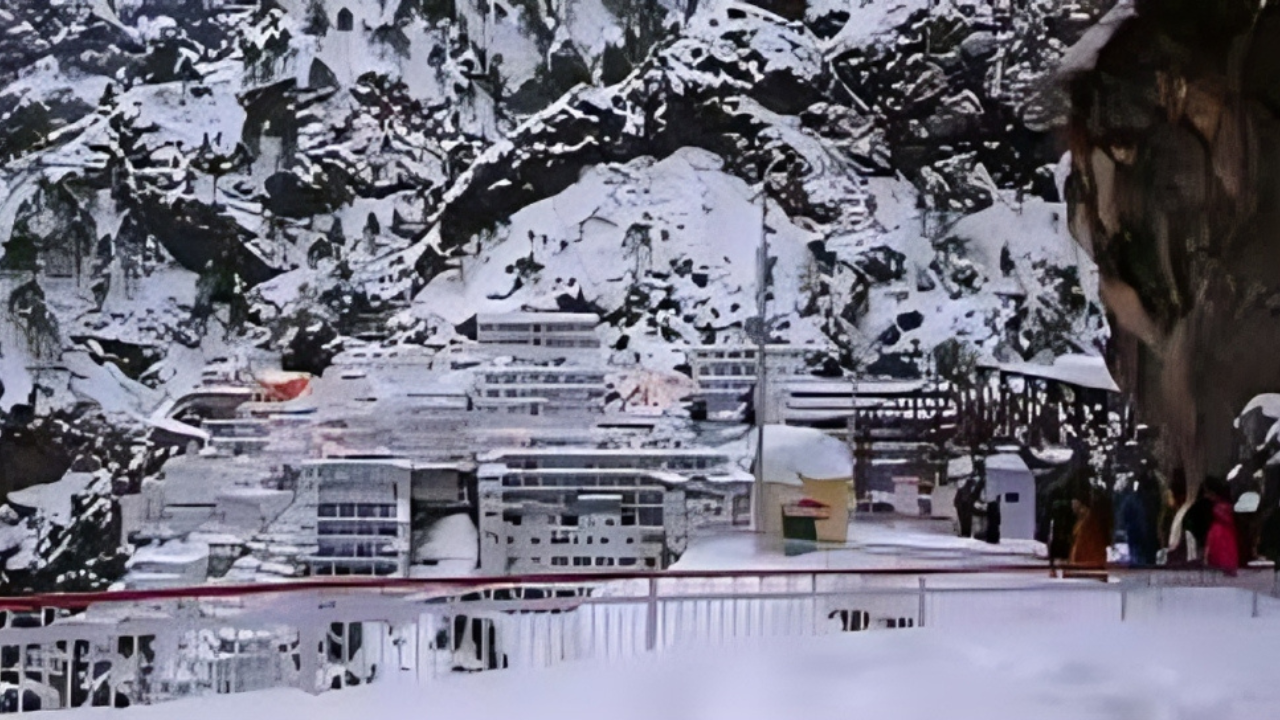
During the winter months, especially from December to February, the Vaishno Devi region often receives heavy snowfall. The entire landscape—mountains, trees, pathways, and buildings—gets covered in a thick blanket of white snow. This transformation makes the holy shrine look nothing less than heaven on earth.
The peaceful silence of falling snow, combined with the chants of “Jai Mata Di,” creates a deeply spiritual atmosphere. For many devotees, witnessing snowfall during the yatra feels like a divine blessing.
Snowfall at Bhawan and Along the Yatra Route
Snowfall is more common near Bhawan (the main shrine) and upper regions like Himkoti and Sanjichhat. Sometimes, heavy snowfall can block parts of the yatra route, and helicopter services may be suspended due to bad weather.
When the weather is clear, the view from the top is breathtaking—snowy mountains stretching endlessly under a pale winter sky. The traditional 13-kilometer trek from Katra to Bhawan becomes more adventurous in snow.
Spiritual Peace in Snowy Silence
Winter brings fewer crowds compared to peak seasons like Navratri or summer holidays. This allows devotees to experience greater peace, silence, and focus during darshan.
Many visitors say that praying in the cold, surrounded by snow, strengthens their devotion and patience. The hardships of the winter journey remind devotees that true faith requires effort, endurance, and trust in the divine.
Safety and Travel Precautions
While snowfall makes Vaishno Devi incredibly beautiful, it also demands proper preparation. Pilgrims planning a winter visit should carry heavy woolen clothes, gloves, caps, waterproof shoes, and thermal wear.
The Shri Mata Vaishno Devi Shrine Board regularly updates weather conditions and may temporarily stop the yatra for safety reasons during heavy snowfall. Devotees are advised to follow official guidelines and avoid risky travel during extreme weather.
Local Life During Snowfall
Snowfall also affects local life in Katra and nearby villages. Shops sell warm clothes, heaters, and hot food items like tea, coffee, and soup. Locals are accustomed to winter conditions and often help pilgrims navigate the snowy routes.
A Photographer’s Paradise
For photography lovers, snowfall in Vaishno Devi is a dream come true. Snow-covered temples, icy pathways, and devotees wrapped in shawls create stunning visuals. Every corner offers a postcard-perfect scene.
Best Time to Experience Snowfall
If you wish to experience snowfall in Vaishno Devi, January is considered the best month. However, snowfall is not guaranteed and depends on weather conditions. Checking forecasts before planning your trip is always recommended.
Conclusion
Snowfall in Vaishno Devi is more than just a natural event—it is a divine and soul-stirring experience. The blend of spiritual devotion and winter beauty makes the pilgrimage truly special.
For those who seek both spiritual fulfillment and the beauty of nature, visiting Vaishno Devi during snowfall is an experience that stays in the heart forever.