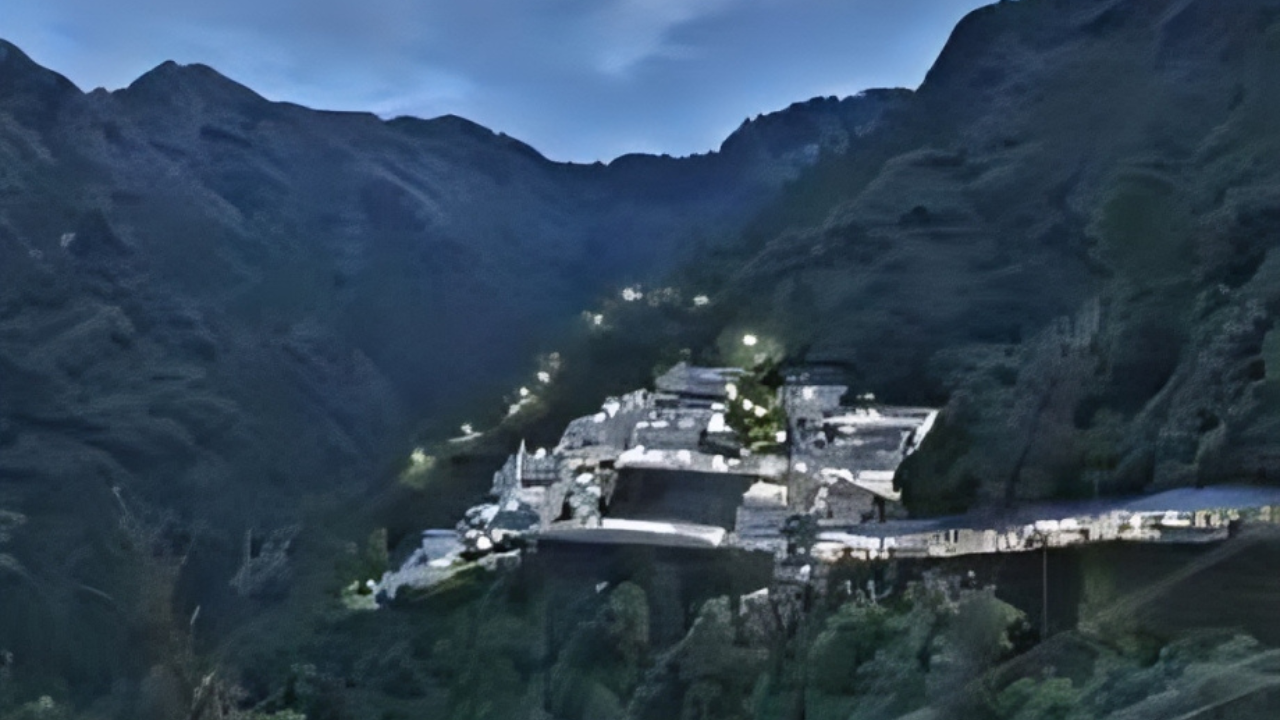
Hidden Mountain Temples: Sacred Shrines Tucked Away in the Himalayas and Beyond
Mountains have always been considered sacred across cultures and civilizations. Their towering presence, silent strength, and closeness to the sky make them a natural place for spiritual connection. Among these majestic landscapes lie hidden mountain temples—ancient shrines built in remote, difficult-to-reach locations.
Why Are Mountain Temples Hidden?
Many mountain temples were deliberately built in isolated regions. In ancient times, sages and saints sought solitude to meditate and connect with the divine. Mountains provided peace, protection from invasions, and a pure environment.
Kedarnath – A Himalayan Mystery
Located in the Garhwal Himalayas of Uttarakhand, Kedarnath Temple is one of the most famous yet mysterious mountain temples. Situated at an altitude of about 3,583 meters, it stands surrounded by snow-covered peaks and glaciers.
Tungnath – The Highest Shiva Temple
Tungnath Temple is considered the highest Shiva temple in the world. Located at an altitude of 3,680 meters, it is part of the Panch Kedar pilgrimage. The temple remains hidden under snow for most of the year.
Amarnath – The Ice Lingam Shrine
The Amarnath Cave Temple in Jammu and Kashmir is one of the most fascinating hidden mountain temples. It houses a naturally formed ice Shiva Lingam and is accessible only for a short period every year.
Kalpeshwar – The Hidden Kedar
Among the Panch Kedar temples, Kalpeshwar is the most secluded. Surrounded by forests and valleys, it offers a peaceful and spiritual atmosphere with very few visitors.
Hemkund Sahib – A Sacred High-Altitude Shrine
Hemkund Sahib is a sacred Sikh shrine located at an altitude of 4,632 meters in Uttarakhand. Surrounded by seven snow-covered peaks, it remains inaccessible for nearly half the year.
Why Do People Visit Hidden Mountain Temples?
- Strong spiritual energy and peace
- Adventure combined with devotion
- Connection with untouched nature
- Ancient legends and mythology
Challenges of Visiting Hidden Mountain Temples
Harsh weather, high altitude sickness, limited facilities, and difficult trekking routes are common challenges. Despite this, devotees believe that the journey itself is a form of devotion.
Conclusion
Hidden mountain temples are not just places of worship but symbols of faith, endurance, and harmony with nature. Their remote locations and spiritual power make them truly special. Visiting them is a journey of both physical effort and inner transformation.