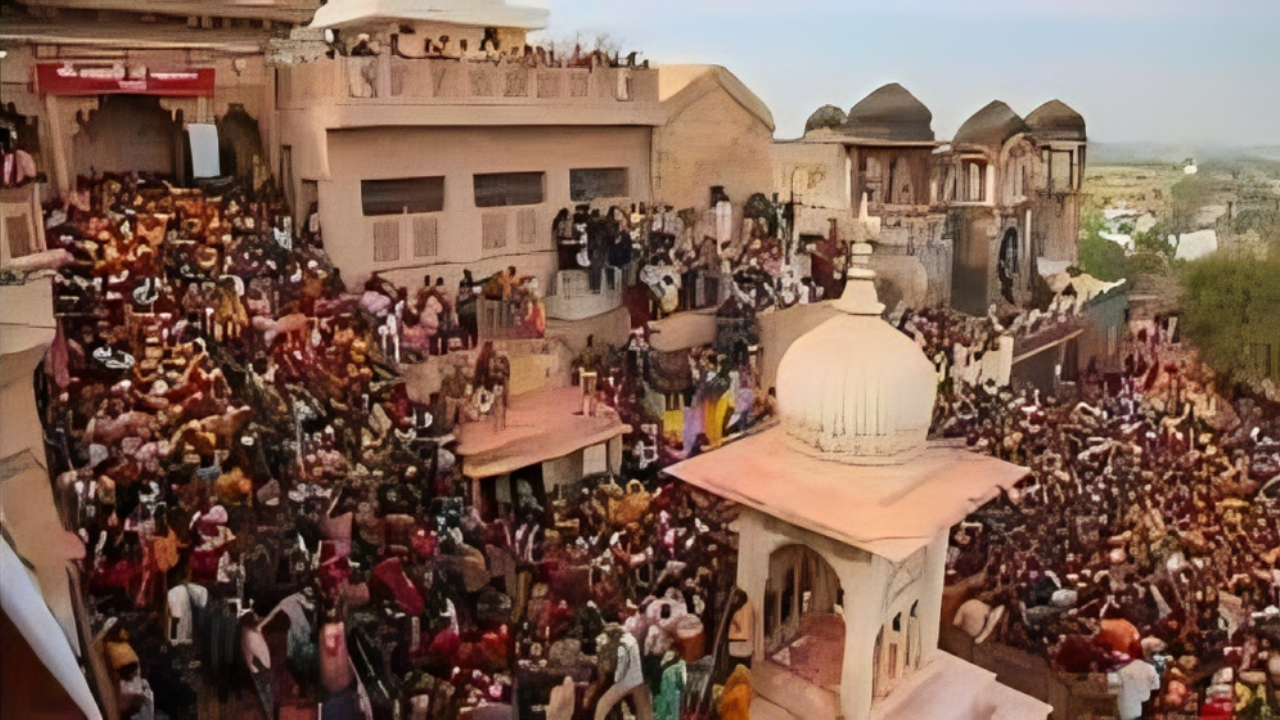
2026 Temple Crowd Analysis: How Many Devotees Visit Major Temples and Why
Introduction
India is known as the land of temples, where spirituality, culture, and tradition come together. Every year, millions of devotees visit temples to seek blessings, peace, and spiritual growth. In 2026, temple tourism and religious travel are expected to reach new heights due to better infrastructure, digital facilities, social media awareness, and increasing faith among people. This blog explores the major temples in 2026, how much crowd they attract, and why these temples receive such massive footfall.
Tirupati Balaji Temple (Andhra Pradesh)
In 2026, Tirupati Balaji continues to be one of the most visited temples in the world. On average, 70,000 to 1,00,000 devotees visit daily, and during festivals like Brahmotsavam, the crowd can exceed 5–7 lakh per day. The main reason for this huge crowd is the belief that Lord Venkateswara fulfills wishes and removes financial and personal problems. The well-organized darshan system and online booking also encourage more visitors.
Kashi Vishwanath Temple (Varanasi)
The Kashi Vishwanath Temple attracts around 50,000 devotees daily in 2026, while during Mahashivratri and the Shravan month, the number crosses 3–4 lakh per day. Devotees believe that visiting Kashi and worshipping Lord Shiva grants liberation (moksha). Improved corridors, better crowd management, and easy access have significantly increased the number of pilgrims.
Ayodhya Ram Mandir (Uttar Pradesh)
After its grand construction, the Ram Mandir in Ayodhya has become a major spiritual center. In 2026, the temple receives around 1–1.5 lakh visitors daily, and during Ram Navami and Diwali, the crowd reaches 5 lakh or more. People visit Ayodhya because it is the birthplace of Lord Ram, symbolizing faith, devotion, and Indian culture.
Vaishno Devi Temple (Jammu & Kashmir)
Vaishno Devi continues to attract 30,000–40,000 pilgrims daily in 2026. During Navratri, the number rises to 2–3 lakh per day. Devotees believe that Mata Vaishno Devi calls her devotees herself and fulfills their wishes. Improved travel facilities, helicopter services, and better accommodation have made the journey easier for all age groups.
Shirdi Sai Baba Temple (Maharashtra)
Shirdi sees an average crowd of 40,000–60,000 devotees daily in 2026. On Thursdays and special occasions, the number can cross 2 lakh. Sai Baba is worshipped by people of all religions, and his teachings of love, patience, and charity attract millions. Online darshan and donation systems also help manage the crowd efficiently.
Jagannath Temple (Puri, Odisha)
The Jagannath Temple receives around 25,000–35,000 visitors daily. During the famous Rath Yatra in 2026, more than 10–12 lakh devotees gather in Puri. The unique rituals, ancient traditions, and belief that Lord Jagannath protects his devotees are the main reasons for this massive crowd.
Meenakshi Amman Temple (Madurai, Tamil Nadu)
In 2026, Meenakshi Temple attracts 20,000–30,000 devotees daily, while during festivals like Meenakshi Thirukalyanam, the crowd increases significantly. The temple is famous for its beautiful architecture, spiritual energy, and historical importance, drawing both devotees and tourists.
Why Temple Crowds Are Increasing in 2026
There are several reasons why temple crowds are increasing in 2026. Improved roads, railways, and airports make travel easier. Digital darshan booking, social media influence, and live streaming motivate people to visit temples physically. Additionally, after stressful modern lifestyles, people seek peace, hope, and spiritual connection, which temples provide.
Conclusion
In 2026, temples continue to play a vital role in people’s lives, attracting millions of devotees every year. Whether it is Tirupati, Kashi, Ayodhya, or Shirdi, each temple has its own spiritual significance and reason for massive crowds. These temples are not just religious places but also centers of faith, culture, and unity, proving that devotion remains strong in the modern world.